
• Case ID: #30
  • Primary Personality Archetype: 🌱 The Steward (Rigidity Bias)
  • Systemic Risk: Beneficial Ownership Confusion (The Bare Trust Trap)
  • Financial Impact: $240,000 Capital Gains Tax Liability / Total Title Paralysis
  • Jurisdiction: Federal / National (Australian Property and Tax Law)
  • Verification: ATO Compliance Review / Registry Archive #30
Reading Time: 2 minutes

Case File #30: The Bare Trustee

The Ownership Paradox

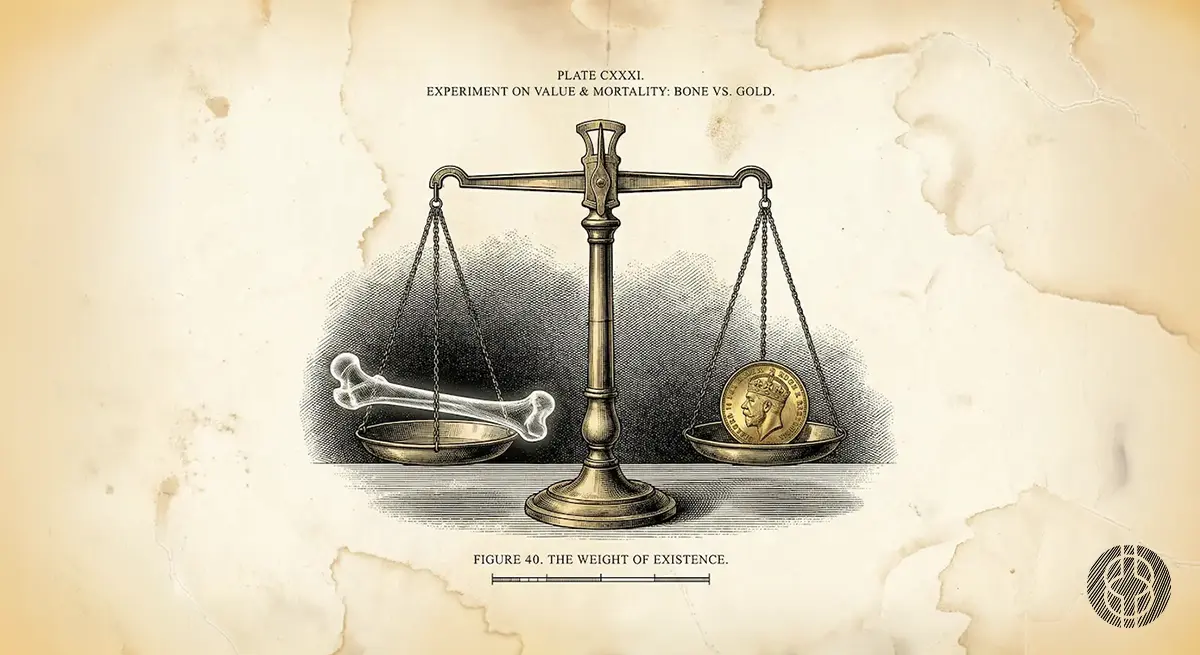
Thomas bought an investment property in his daughter’s name. It was a verbal 'Bare Trust' - he paid the mortgage, he took the rent, but the name on the title was hers. He thought it was a clever way to keep the asset out of his own potential lawsuits.

When it came time to sell, the Tax Office saw a daughter selling a house that had increased $600,000 in value. They hit her with a massive Capital Gains Tax bill. When Thomas tried to claim the money was actually his, the State Revenue Office demanded 'Double Stamp Duty' for the 'unseen transfer.' Without a written Bare Trust deed executed before the purchase, the law saw two separate owners and two separate taxes. Thomas’s 'clever' plan cost him $240,000 in unnecessary fees - the price of a missing deed.

  • Clinical Mystery: Why did a simple tax-saving setup lead to a total loss of asset ownership?
  • The Human Intent: To hold assets in a child’s name for tax benefits while assuming 'parental' control remained
  • The Diagnosis: The Beneficial Ownership Paradox: The court looks at who enjoys the asset, not just whose name is on the tax bill

Case File: Forensic Analysis

🔬 REGISTRY FILE: CLINICAL PATHOLOGY

The Artifact: The Ghost Shareholder

The Intent: To reward early support with equity while assuming that shares naturally lapse if the shareholder stops contributing to the business

The Reality: 'Equity Hostage', where a dormant minority shareholder uses their legal standing to block a major sale or demand an inflated payout

Pathology: This is a failure of the Steward Archetype where the brain's 'Relational Memory' overrides 'Statutory Reality': the individual treats the business as a personal story, failing to realise that a share is a permanent property right that remains valid regardless of relationship

The Legal Reality:  Under the Corporations Act, a share represents an ownership stake that does not expire: unless there is a signed 'Transfer Form' or a specific 'Shareholders Agreement' that forces the sale of shares upon leaving, the person on the registry remains a legal owner

🟢 ARCHITECTURAL PROTOCOL: SYSTEMIC FIX

The Antidote: The Equity Hygiene Protocol: move from 'Residual Holdings' to 'Clean Cap Tables' by ensuring all departing employees or founders sign formal share transfer documents at the time of their exit

The Result: You transition from 'Equity Vulnerability' to 'Transaction Readiness': you ensure your company's value belongs to the people who earned it

The Sobering Script: 'I read about 'The Ghost Shareholder'. A man had to pay $600,000 to a cousin he hadn't seen in thirty years just to sell his own business because he never cleaned up the share registry. I don't want any 'ghosts' in our family company. Let's look at the 'Manual' and make sure our share registry matches the reality of who is actually in the boat with us today'

Sorry, this website uses features that your browser doesn’t support. Upgrade to a newer version of Firefox, Chrome, Safari, or Edge and you’ll be all set.