

• Case ID: #02
  • Primary Personality Archetype: 🏛️ The Architect (Inflexibility Bias)
  • Systemic Risk: Evidentiary Erasure (The Data Gap)
  • Financial Impact: The total liquidation of the family's investment portfolio to satisfy a tax debt that could have been avoided with a single page of documentation. $450,000 Tax Re-classification / 75% Penalty Load
  • Jurisdiction: Federal / National (Australian Taxation Law)
  • Verification: ATO Audit Findings / Registry Archive #02
Reading Time: 3 minutes

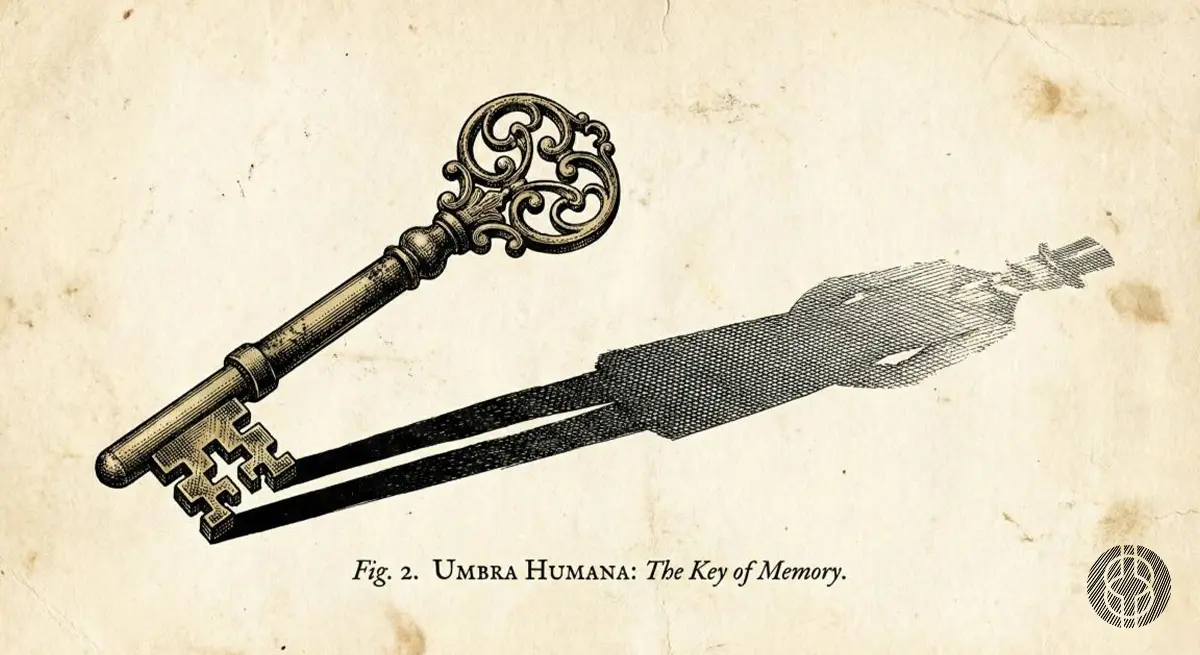
The Erasure Incident: The Evidentiary Void

'He believed his digital empire was indestructible, but the tax office only accepts the evidence that survives the purge.'

Victor was a meticulous 🏛️Architect. He spent years building a complex multi-trust structure with inter-entity loans and management fees designed to optimise tax efficiency. He relied on a sophisticated 'cloud based' accounting system and a third party IT contractor to maintain his digital archives. He believed that because his 'intent' was documented in his emails, his structural integrity was safe.

The sting: When a routine ATO audit was triggered three years later, the 'Evidentiary Erasure' occurred. A server migration error by the IT contractor resulted in the 'erasure' of three years of signed 'Trust Minutes' and 'Inter-company Loan Agreements'. Because the 🏛️ Architect had focused on the 'Complexity' of the design rather than the 'Durability' of the records, there were no physical backups or off-site archives of the signed documents. The ATO refused to recognise the inter-entity transfers as 'loans', re-classifying them as 'taxable dividends'. Victor was hit with a four hundred and fifty thousand dollar tax bill plus penalties.

The 🏛️ Architect had built a masterpiece on paper, but because he allowed his evidence to be 'erased', his structure was treated as a fiction by the authorities.

  • Clinical Mystery: How does a 'Private' individual become a "Public" casualty?
  • The Human Intent: He kept his passwords in his head and his assets 'off the grid' to thwart hackers. But when he died, his legacy didn't just stall—it was erased. His family spent $40,000 trying to open a digital vault that remained locked forever.
  • The Diagnosis: The Evidentiary Erasure (The Data Gap). He mistook "Secrecy" for "Security." Because he failed to maintain a verifiable, third-party evidentiary trail of his inter-entity transfers, the ATO treated his private structure as a legal fiction, re-classifying his capital as taxable dividends and triggering a $450,000 tax event

Case File: Forensic Analysis

🔬 REGISTRY FILE: CLINICAL PATHOLOGY

The Artifact: The Mirror

The Intent: To read about the failures of others as a form of entertainment or 'light research' while assuming one's own structures are immune to similar errors

The Reality: 'The Protagonist Bias', where the reader fails to see themselves in the pathology of the cases, leading to the continued neglect of their own 'Shadow Risks'

Pathology: This is a meta-failure where the brain's 'Exceptionalism Centre' creates a wall between the reader and the reality of the legal system: the individual assumes that because they are 'good people' or 'successful business owners', the technical technicalities of the law won't apply to them in a crisis

The Legal Reality:  Under the Australian Legal System, ignorance of a structural requirement or a failure to maintain a documented registry is not a valid defence: the law is 'Form over Substance', meaning even the most successful empire can be dismantled by a single missing minute or an unregistered lease

🟢 ARCHITECTURAL PROTOCOL: SYSTEMIC FIX

The Antidote: The Archetype Audit Protocol. Move from 'Passive Reading' to 'Active Auditing' by identifying your own primary archetype (approach to life) and performing a deep-dive review of every case study associated with that profile

The Result: You will transition from 'Unconscious Vulnerability' to 'Structural Awareness'. You can ensure your natural strengths remain your greatest assets, instead of becoming your fatal flaws

The Sobering Script: The words to initiate the key conversation with another: 'I was reading 'The Mirror'. It made me realise all these business owners who lost everything, weren't 'bad' at what they did; they just had blind spots because of their natural leadership style. I see a lot of 'The Architect' in me, and that means I might be missing the very things that destroyed Case #40 and #48. Let's look at the 'Manual' together and make sure my style isn't putting our future at risk'


Sorry, this website uses features that your browser doesn’t support. Upgrade to a newer version of Firefox, Chrome, Safari, or Edge and you’ll be all set.

{ "@context": "https://schema.org", "@type": "BlogPosting", "mainEntityOfPage": { "@type": "WebPage", "@id": "https://sapience.com.au/resources/penny-dreadful-case-files/erasure-incident-tragedy" }, "headline": "Case File 02: The Erasure Incident Tragedy", "description": "An estate planning case study exploring the legal erasure of intent and succession failures under Australian law.", "author": { "@type": "Person", "name": "Drew Browne", "url": "https://sapience.com.au/about/drew-browne" }, "publisher": { "@type": "Organization", "name": "Sapience Financial" }, "isPartOf": { "@type": "CreativeWorkSeries", "name": "Penny Dreadful Case Files", "url": "https://sapience.com.au/resources/penny-dreadful-case-files" }, "about": [ { "@type": "Thing", "name": "Estate Planning" }, { "@type": "Thing", "name": "Australian Law" } ], "inLanguage": "en-AU" }