
• Case ID: #05
  • Primary Personality Archetype: ❤️‍🩹 The Caretaker (Self-Sacrifice Bias)
  • Systemic Risk: Blended Family Fracture (The Trust Fallacy)
  • Financial Impact: $2.2M Legacy Siphoned Away
  • Jurisdiction: Australian Estate Law
  • Verification: Succession Litigation Audit / Registry Archive #05
Reading Time: 3 minutes

The Scent of Tragedy

How a 'Simple Will can accidentally disinherit your own children.

He thought he was being a good husband. He thought he was being a good father. He ended up leaving his biological children as strangers to their own inheritance.

The Human Intent

The Ghost in the Inheritance

David was a success and a devoted father who lived by a dangerous rule: 'Harmony over Structure'. After remarrying, he wanted to ensure his new wife felt completely supported, but he also wanted his children from his first marriage to eventually inherit his $2.2M estate. He chose the 'Simple Path'. He left everything to his new wife, 'trusting' her moral compass to take care of his kids after he was gone. He wanted to avoid a difficult conversation about 'splitting the pie'.

The Caretaker’s Neural Blind Spot

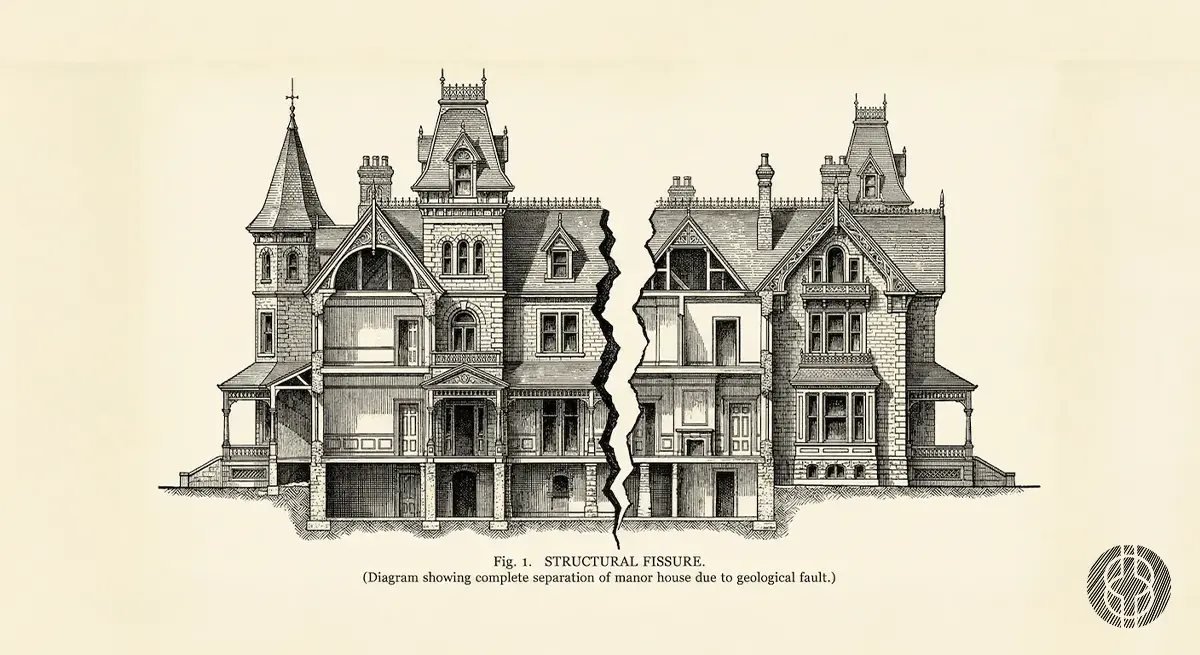
David's trust became a document gap. After his passing, his wife remarried and—under pressure from her new partner—changed her Will. When she died, the entire family estate passed seamlessly to her new husband’s children. David’s biological children, who grew up in the family home, were legally erased from the ledger, receiving exactly $0.

The Forensic Result

  • Systemic Risk: Blended Family Fracture (The Trust Fallacy).
  • Financial Impact: $2.2M legacy siphoned away to a third party.
  • The Final Blow: Following David's death, his wife remarried and changed her own Will. When she eventually passed away, the entire family estate - including David's assets - passed directly to her new husband’s children. David’s biological children received $0.

The Command Move: The Bloodline Trust

To protect your lineage, David could have moved from 'Trust' to 'Structure'. By executing a Bloodline Trust, he could have provided for a surviving spouse for their lifetime while legally 'locking' the capital for his own biological children. Certainty is the highest form of family care.

The 'Caretaker' had inadvertently funded the very addiction he spent a lifetime trying to heal, leaving his son with nothing but a depleted legacy and a near-fatal overdose.

  • Clinical Mystery: How does a 'Simple Will' accidentally disinherit your own biological children?
  • The Human Intent: He remarried and left everything to his new wife, 'trusting' her moral compass to look after his children from his first marriage.
  • The Diagnosis: The Trust Fallacy. He mistook a moral hope for a legal structure, allowing 'Conflict Avoidance' to destroy his children's future.

Case File: Forensic Analysis

🔬 REGISTRY FILE: CLINICAL PATHOLOGY

The Artifact: The 'Handshake' Agreement

The Intent: To build a business based on mutual trust without 'wasting' funds on legalised exit strategies

The Reality: 'Structural Paralysis', where the death of a partner introduces an unintended and unskilled 'Silent Partner' with veto power

Pathology: This is a failure of the Navigator Archetype. The brain prioritises 'Forward Momentum' and 'Relational Trust' while ignoring 'Structural Finality'. It assumes the partnership is between two people, failing to realise it is actually a contract between two estates

The Legal Reality:  Under Australian Law, without a formal 'Buy-Sell Agreement', shares in a private company are treated as personal property. They pass to the next of kin, who may have no interest or ability to run the firm but possess the full legal rights of the deceased to block corporate actions

🟢 ARCHITECTURAL PROTOCOL: SYSTEMIC FIX

The Antidote: The Funded Buy-Sell Protocol. 1. Formalise a 'Shareholders Agreement' with a specific 'Trigger Event' clause. 2. Implementation: Fund the agreement with 'Buy-Sell Insurance' so the surviving partner has the cash to buy out the estate

The Result: You transition from a 'Vulnerable Partnership' to an 'Unsinkable Enterprise'. You ensure the business survives the person

The Sobering Script: 'I read about 'The Frozen Ship of Business'. Two mates built a ten-million-dollar firm, but when one died, his widow took control and accidentally sank the company because she did not know how to run it. I want to make sure that if something happens to me, you get the cash you need, and my business partner gets to keep the company moving. Let's look at a 'Funded Buy-Sell Agreement'. I want to make sure the keys to the business are never held hostage by a tragedy'


Sorry, this website uses features that your browser doesn’t support. Upgrade to a newer version of Firefox, Chrome, Safari, or Edge and you’ll be all set.

{ "@context": "https://schema.org", "@type": "BlogPosting", "mainEntityOfPage": { "@type": "WebPage", "@id": "https://sapience.com.au/resources/penny-dreadful-case-files/lost-progeny-tragedy" }, "headline": "Case File 05: The Lost Progeny Tragedy", "description": "Examining the legal complexities of inheritance and the protection of future generations under Australian law.", "author": { "@type": "Person", "name": "Drew Browne", "url": "https://sapience.com.au/about/drew-browne" }, "publisher": { "@type": "Organization", "name": "Sapience Financial" }, "isPartOf": { "@type": "CreativeWorkSeries", "name": "Penny Dreadful Case Files", "url": "https://sapience.com.au/resources/penny-dreadful-case-files" }, "about": [ { "@type": "Thing", "name": "Estate Planning" }, { "@type": "Thing", "name": "Australian Law" } ], "inLanguage": "en-AU" }